The Third Umpire

Where Caribbean Cricket Meets Global Conversation.

Menu
  • Get Started Here
  • Join the Conversation
    • About
    • THINGS I LOVE TO DO
    • Did You Know
  • Third Umpire Blog
  • Our Services
    • Life Coaching & Stress Management
    • Get In Touch With Us
  • Shop Best Sellers
  • World Cup Football Facts
Menu

Third Umpire Blog

🏏 Unsung Heroes of Caribbean Cricket – Part 1

Posted on September 7, 2025February 8, 2026 by Harold Gittens

The Pioneers of the Smaller Islands

When we celebrate the glorious history of West Indies cricket, names like Richards, Lloyd, Holding, and Lara often dominate the conversation. But beneath the surface of the maroon legacy lies another group of men—players from the smaller islands—who carried their communities’ pride and ambition into regional and international cricket. They may not have become global superstars, but their courage and performances opened doors for generations to come.

In this first chapter of our series Unsung Heroes of Caribbean Cricket, we spotlight three trailblazers: Elquemedo Willett, Lockhart Sebastien, and Derek Parry.


🌟 Elquemedo Willett – The Trailblazer from Nevis

In 1973, history was made when Elquemedo Willett became the first cricketer from the Leeward Islands to play Test cricket. A left-arm spinner from Nevis, Willett debuted against Australia and instantly turned into a symbol of possibility for young cricketers across the smaller islands.

Though his Test career spanned just 5 matches, Willett’s influence stretched far beyond the scorecard. His success inspired selectors to look to the Leewards, paving the way for giants like Viv Richards, Richie Richardson, Curtly Ambrose, and Keith Arthurton. Today, Nevis proudly honors him with the Elquemedo Willett Park—a lasting tribute to the man who proved the small islands could shine on the world stage.


🌴 Lockhart Sebastien – Dominica’s Steady Opener

From Dominica came Lockhart Sebastien, a right-handed opening batsman whose hallmark was patience and discipline. Representing the Windward Islands and Combined Islands, Sebastien carried the fight against regional powerhouses like Barbados and Jamaica. His highest first-class score of 219 showed his skill and determination.

Though Test recognition never came, Sebastien became a pillar of Windwards cricket. His impact grew even stronger off the field: he later served as a team manager, selector, and sports officer, dedicating his life to the game. Sebastien’s story is one of commitment—proof that influence isn’t measured only in centuries or wickets, but in service and leadership.

🌟Norbert Philip – Dominica -Windward Islands & WI Trailblazer

Norbert Phillip (born 12 June 1948) is a former West Indies cricketer and bowling all-rounder. He played nine Tests and one One Day International between 1978 and 1979, during the World Series Cricket era, when several senior players were unavailable.

Domestically, Phillip represented the Combined Islands in 31 first-class matches, taking 106 wickets, the second-highest tally for the team behind Andy Roberts. His best season came in 1977–78, when he took 21 wickets at 17.71 and scored 230 runs at 76.66, earning international selection. He later captained the Windward Islands in 1983.

Phillip enjoyed a successful county career with Essex from 1978 to 1985, playing 144 first-class matches. He took 71 wickets in his debut season and scored his only first-class century—134 against Gloucestershire. He was part of Essex sides that won the County Championship in 1979, 1983, and 1984, and famously took 6 for 4 when Surrey were bowled out for 14 in 1983.

Internationally, Phillip made his Test debut against Australia in 1978 and toured India in 1978–79, taking 19 wickets in six Tests. His best Test figures came in the Fourth Test, with 4/48 and 7/85.


🌀 Derek Parry – Off-Spin from the Leewards

Joining Willett in the early 1970s was Derek Parry, an off-spinner from St. Kitts. He played two Test matches in 1973 against Australia, during a time when the West Indies were still experimenting with spin options. While his international career was short, Parry was a mainstay in regional cricket for the Leeward and Combined Islands, offering control and guidance to younger players.

Parry’s contribution was not about headlines, but about presence. For every youngster in the Leewards who dreamed of Test cricket, his selection meant hope.

🌴Irvine Shillingford- A Combine Islands Stalwart

Irvine Shillingford (born 21 April 1944) is a former West Indies cricketer who represented the region during the late 1960s and early 1970s. A technically correct opening batsman, he played six Test matches for the West Indies between 1969 and 1971.

Shillingford was a mainstay of the Combined Islands, for whom he played over 40 first-class matches, scoring more than 2,000 runs and establishing himself as one of the team’s most reliable top-order batsmen. His consistency at regional level earned him international selection, particularly during a period of transition in West Indies batting.

In Test cricket, Shillingford is best remembered for his solid technique and temperament at the top of the order. His finest performance came against India in 1971, when he scored 100 at Port of Spain, becoming one of the few Combined Islands players of the era to score a Test century.

Although his international career was brief, Shillingford remains an important figure in Leeward Islands and Combined Islands cricket history, respected for paving the way for future generations of island-based cricketers.


🌊 Legacy of the Pioneers

Willett, Sebastien, Philip, Shillingford and Parry may not have filled the record books with milestones, but their true value lies in their symbolism. They carried the banner of the smaller islands, showing that the cricketing talent of the Caribbean was not confined to Barbados, Jamaica, or Trinidad. Their efforts helped convince the cricketing world that the Leewards and Windwards deserved recognition.

Every time a player from Nevis, Dominica, St. Kitts, or Grenada pulls on the maroon cap, they walk in the footsteps of these pioneers. The legacy of Willett, Sebastien, and Parry lives on—not as forgotten names, but as unsung heroes who lit the path for others to follow.


👉 Coming up in Part 2: Forgotten Batsmen Who Shone Briefly, we’ll revisit players like Leonard Baichan, Basil Williams, and Clayton Lambert, who grabbed the spotlight but never stayed in it for long.

Leave a Reply Cancel reply

Your email address will not be published. Required fields are marked *

🏏Tanti Merle at de Oval: A Legendary Caribbean Cricket Tale

Posted on September 7, 2025February 20, 2026 by Harold Gittens

Cricket in the Caribbean isn’t just a sport; it’s a celebration of life, culture, and community. One of the most iconic stories that encapsulate this spirit is Paul Keens-Douglas’s humorous account, Tanti Merle at de Oval. This tale takes us back to the 1975 Shell Shield match between Trinidad and Tobago and the Combined Islands at the Queen’s Park Oval in Port of Spain.

The story begins with the narrator’s wife requesting him to take her Aunt Merle, affectionately known as Tanti Merle, to the match on her 65th birthday. Originally from St. Vincent, Tanti Merle had been living in Trinidad for 15 years but had never attended a live cricket match. Determined to make her birthday special, the narrator reluctantly agrees.

The day starts with Tanti Merle packing a basket filled with food, insisting that no one would starve her in Port of Spain. The narrator, humorously recounting the events, describes how he ends up carrying the heavy basket. Their journey is filled with Tanti Merle’s anecdotes about St. Vincent, much to the amusement (and slight embarrassment) of the narrator.

Upon reaching the Queen’s Park Oval, the atmosphere is electric. The stands are packed, and the crowd is buzzing with excitement. Tanti Merle, ever the enthusiast, immerses herself in the match, cheering passionately for the Combined Islands. Her infectious energy adds to the vibrant ambiance of the game.

The Combined Islands are chasing a challenging target. The tension builds as wickets fall, but the crowd remains hopeful. Tanti Merle, with her unwavering support, becomes a symbol of the undying spirit of Caribbean cricket fans.

By the end of the match, the Combined Islands fall short, but the day is remembered not for the result but for the experience. Tanti Merle’s first live cricket match becomes a cherished memory, filled with laughter, camaraderie, and the essence of Caribbean culture.

 Trinidad and Tobago vs. Combined Leeward and Windward Islands – 1974/75 Season

At the Queen’s Park Oval, Trinidad and Tobago set a target of 283 for the Combined Leeward and Windward Islands. The match concluded in a draw, with the Islands reaching 282/9, just one run shy of victory, showcasing the nail-biting finish.

The Game and how it unfolded-A Tanti Merle Moment

Shell Shield, 1974/75
Trinidad & Tobago v Combined Islands
Port of Spain
11,12,13,14 April 1975 (4-day match)Result: Match drawn

Umpires: R Gosein and SE ParrisClose of Play:Day 1:Day 2:Day 3:

Trinidad & Tobago 1st innings
RA Faria c Findlay b Roberts 23
KR Bainey b Willett 20
HA Gomes c Shillingford b Roberts 58
*+DL Murray run out 7
BW McLeod lbw b Roberts 2
BD Julien c Camacho b Gore 50
D Ramkissoon c Richards b Gore 42
PCS Batholemew run out 8
Inshan Ali c sub b Willett 14
Imtiaz Ali c Willett b Gore 0
RR Jumadeen not out 3
Extras (b 11, lb 7, w 1, nb 13) 32
Total (all out, 93.1 overs) 259
FoW: 1-37, 2-50, 3-97, 4-110, 5-124, 6-234, 7-239, 8-239, 9-259, 10-259.

Bowling
O M R W Roberts 18 3 51 3
Gore 17.1 3 41 3
Willett 29 7 78 2
Coriette 17 2 37 0
Richards 5 1 6 0
Eddy 7 1 14 0
—————————————————————————————————————–
Combined Islands 1st innings
LC Sebastien c Murray b Inshan Ali 34
MS Camacho c Murray b Inshan Ali 22
JC Allen lbw b Inshan Ali 14
IVA Richards b Imtiaz Ali 14
IT Shillingford b Inshan Ali 0
VA Eddy run out 25
A Coriette st Murray b Imtiaz Ali 73
*+TM Findlay not out 29
ET Willett b Imtiaz Ali 7
AME Roberts c Faria b Imtiaz Ali 4
HIE Gore b Jumadeen 0
Extras (b 4, lb 2, nb 1) 7
Total (all out, 102.3 overs) 229
FoW: 1-42, 2-67, 3-72, 4-82, 5-86, 6-149, 7-189, 8-199, 9-219, 10-229.
Bowling
O M R W Julien 4 1 10 0
Batholemew 8 1 24 0 Jumadeen 30.3 13 59 1
Inshan Ali 34 11 74 4
Imtiaz Ali 26 9 55 4
—————————————————————————————————————–
Trinidad & Tobago 2nd innings
RA Faria c Eddy b Willett 37
KR Bainey c Willett b Roberts 6
HA Gomes c Allen b Willett 15
*+DL Murray c Findlay b Willett 10
BW McLeod b Roberts 7
BD Julien c Camacho b Coriette 65
D Ramkissoon not out 64
PCS Batholemew st Findlay b Coriette 19
Inshan Ali c Shillingford b Coriette 9
Imtiaz Ali c Allen b Willett 2
RR Jumadeen b Coriette 4
Extras (b 2, lb 4, nb 8) 14
Total (all out, 116 overs) 252
FoW: 1-37, 2-46, 3-86, 4-103, 5-141, 6-165, 7-184, 8-232, 9-243, 10-252.
Bowling
O M R W Roberts 20 6 49 2
Gore 14 0 49 0
Willett 43 11 69 4
Coriette 29 8 47 4
Eddy 10 3 24 0
—————————————————————————————————————–
Combined Islands 2nd innings (target: 283 runs)
LC Sebastien c Bainey b Jumadeen 41
MS Camacho c Imtiaz Ali b Inshan Ali 53
JC Allen st Murray b Jumadeen 96
IVA Richards run out 10
IT Shillingford c McLeod b Imtiaz Ali 14
VA Eddy run out 3
A Coriette c Murray b Imtiaz Ali 6
*+TM Findlay not out 22
AME Roberts c Ramkissoon b Jumadeen 10
ET Willett c Gomes b Imtiaz Ali 1
HIE Gore not out 4
Extras (b 8, lb 11, nb 3) 22
Total (9 wickets, 75 overs) 282
FoW: 1-101, 2-117, 3-140, 4-180, 5-194, 6-220, 7-254, 8-272, 9-276.
Bowling O M R W Julien 10 2 34 0
Jumadeen 24 2 75 3
Inshan Ali 15 2 63 1
Imtiaz Ali 21 2 74 3
Faria 3 0 5 0
Ramkissoon 2 0 9 0
Result: Match drawn -A True Tanti Merle Finish.
Do you like close finishes and the excitment of game like the Combine Islands vs Trinidad?

Leave a Reply Cancel reply

Your email address will not be published. Required fields are marked *

Subscribe to our Blog

Dont Miss More Exciting Articles

Subscribe


🌍Caribbean Cricket: More Than a Game – It’s a Celebration

Posted on September 5, 2025February 25, 2026 by Harold Gittens

When most people think of cricket, they picture quiet concentration, tense strategy, and long hours on the pitch. But in the Caribbean, cricket is anything but ordinary. It’s a vibrant celebration of sport, culture, and community, blending athletic skill with music, color, and a unique sense of joy.


Calypso Cricket: Cricket with Flair

Caribbean cricket is often called “Calypso Cricket”—a term that perfectly captures the style, rhythm, and flair of the players. From the effortless elegance of a masterful cover drive to the sheer power of a booming six, West Indian cricketers have long combined skill with entertainment. Fast bowlers bring thunder to the pitch, batsmen play with artistry, and fielders dazzle with acrobatic catches. This isn’t just cricket—it’s a performance, a display of personality and passion.


The Beaches: A Stunning Backdrop

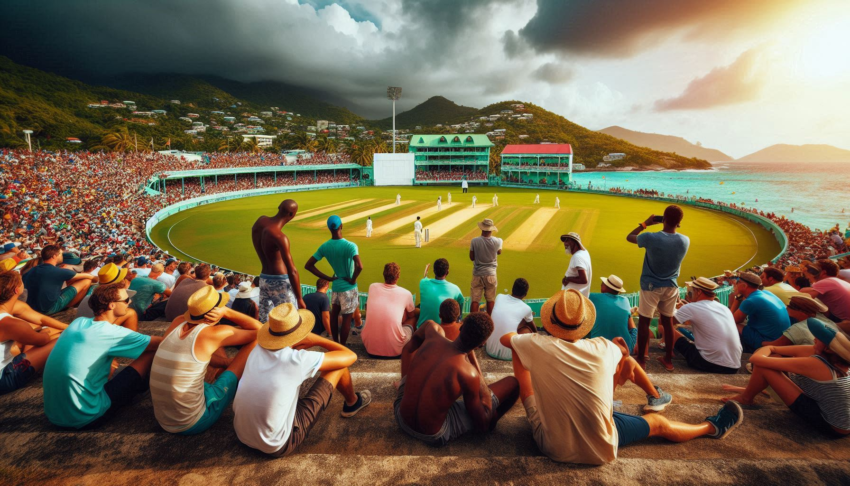
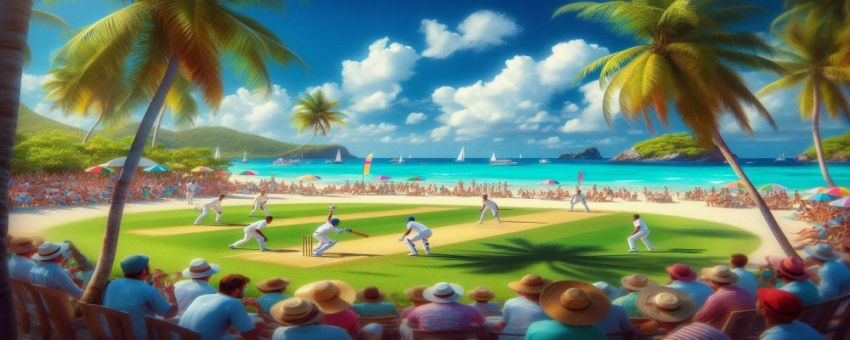
Few places in the world can claim cricket grounds with such breathtaking scenery. Matches often take place near sun-kissed beaches, with the turquoise waters and golden sands providing a postcard-perfect backdrop. Whether it’s a casual local game or a high-stakes international match, the natural beauty of the Caribbean makes cricket here a feast for both the eyes and the spirit.


The Party Atmosphere

Cricket in the Caribbean is not just about the action on the pitch—it’s a festival. Fans bring music, dancing, and a carnival-like energy to the stands. Steel drums, soca, reggae, and calypso music pulse through the stadiums, turning every game into a lively, joyous experience. Even during tense matches, there’s laughter, singing, and celebration—a reminder that cricket here is as much about culture as it is about competition.


The Fans: Heart and Soul of the Game

The West Indies’ fans are passionate, knowledgeable, and full of character. They live and breathe cricket, and their energy is contagious. Whether cheering for a hometown hero or a national star, they turn every match into a communal celebration, showing how deeply cricket is woven into the Caribbean identity. The connection between players and fans is personal and intense—one reason why visiting a Caribbean cricket ground feels unlike any other sporting experience.


Why Caribbean Cricket Stands Out

It’s the blend of athleticism, artistry, culture, and celebration that makes Caribbean cricket truly unique. Here, the game is alive with music, color, and community spirit. It’s not just a match—it’s a festival that brings together history, identity, and joy, making it a sporting experience that leaves a lasting impression on anyone lucky enough to witness it.


Caribbean cricket isn’t just about who wins or loses—it’s about living the game, celebrating culture, and feeling the pulse of the islands with every ball bowled and every six struck.

Leave a Reply Cancel reply

Your email address will not be published. Required fields are marked *

Keep Updated Subscribe to Our Blog

Don't Want to Miss an Article Subscribe to Stay Updated.

Subscribe to Keep Updated
Loading...

🌍 Major T20 Cricket Formats Around the World

Posted on September 3, 2025September 7, 2025 by Harold Gittens
  1. Indian Premier League (IPL – India)
    • Established: 2008
    • Format: 10 franchise-based teams, 2-month season.
    • Highlights: World’s richest and most popular T20 league, massive global TV viewership.
  2. Big Bash League (BBL – Australia)
    • Established: 2011
    • Format: 8 city-based franchises.
    • Highlights: Family-friendly entertainment, strong domestic player focus, growing international attraction.
  3. Pakistan Super League (PSL – Pakistan)
    • Established: 2015
    • Format: 6 franchises.
    • Highlights: Known for producing young local talent, highly competitive pace bowling stocks.
  4. Caribbean Premier League (CPL – West Indies)
    • Established: 2013
    • Format: 6 franchises across the Caribbean.
    • Highlights: Festive, carnival-like atmosphere, spotlight for Caribbean talent.
  5. Bangladesh Premier League (BPL – Bangladesh)
    • Established: 2012
    • Format: 7 franchises.
    • Highlights: Strong local fan following, opportunity for Bangladeshi players to play alongside global stars.
  6. SA20 (South Africa)
    • Established: 2023
    • Format: 6 franchises (all IPL-owned).
    • Highlights: Revived South African cricket financially, blends IPL investment with local growth.
  7. ILT20 (International League T20 – UAE)
    • Established: 2023
    • Format: 6 franchises.
    • Highlights: High salaries, many overseas players, backed by Emirates Cricket Board.
  8. The Hundred (England & Wales)
    • Established: 2021
    • Format: 100-ball matches, 8 city-based teams.
    • Highlights: Innovative format targeting new audiences, strong push for women’s cricket.
  9. Global T20 Canada / USA’s Major League Cricket (MLC)
    • Established: 2018 (Canada) / 2023 (USA).
    • Highlights: Expands cricket into North America, attractive pay packages, and international exposure.

💰 How T20 Formats Benefit Players

1. Financial Rewards

  • Lucrative Contracts: Players can earn millions in leagues like IPL and ILT20, often dwarfing national contracts.
  • Match Fees & Bonuses: Win bonuses, performance incentives, and sponsorship deals add to income.
  • Brand Endorsements: Exposure in high-profile leagues increases marketability for ads and sponsorships.

2. Professional Development

  • Exposure to Global Talent: Sharing dressing rooms with international stars sharpens skills and mindset.
  • High-Pressure Experience: Playing in front of huge crowds and TV audiences builds mental toughness.
  • Access to Best Coaches & Facilities: World-class support staff and analytics-driven training.

3. Career Security & Longevity

  • Alternative to National Contracts: Even players not picked for their countries can make a stable living.
  • Extended Careers: Veterans like Chris Gayle, Kieron Pollard, and AB de Villiers prolonged careers via T20 leagues.
  • Opportunities for Specialists: T20 creates roles for “impact” players—power hitters, mystery spinners, death bowlers.

4. Global Recognition

  • Fan Base Beyond Borders: A player from Afghanistan (e.g., Rashid Khan) becomes a global icon through T20 leagues.
  • Social Media Boost: League exposure boosts followership, which translates into commercial opportunities.

5. Flexibility & Freedom

  • Multiple Income Streams: Players can participate in different leagues year-round.
  • Less Physically Demanding: Compared to Tests, T20 matches are shorter, reducing wear and tear.
  • Platform for Young Talent: Domestic players get instant recognition and fast-tracked into national teams (e.g., Jasprit Bumrah via IPL).

⚖️ Balanced Perspective

  • Pros: Money, fame, opportunities, exposure, career longevity.
  • Cons: Risk of player burnout (too many leagues), conflict with national boards, prioritizing leagues over international duty.

✅ In Summary:
T20 leagues like the IPL, BBL, CPL, and others have revolutionized cricket by creating a global marketplace for players. They provide not just unmatched financial benefits but also professional growth, international exposure, and long-term career security. For many modern cricketers, franchise T20 cricket is just as valuable—sometimes even more—than international cricket.

Leave a Reply Cancel reply

Your email address will not be published. Required fields are marked *

🏏 The Test Player vs. The T20 Player: A Skills Comparison

Posted on September 2, 2025September 13, 2025 by Harold Gittens

Cricket has always been called a “gentleman’s game,” but as formats have evolved, so have the demands on players. A century in a five-day Test match and a whirlwind 30 off 10 balls in a T20 game are both celebrated, but they come from vastly different skill sets.

So, what exactly separates a Test match specialist from a T20 master? Let’s break it down.


1. Batting Skills

  • Test Player
    • Built for patience and resilience.
    • Mastery of technique—tight defense, leaving the ball well, shot selection under pressure.
    • Focuses on occupying the crease for long hours.
    • Examples: Cheteshwar Pujara, Kraigg Brathwaite, Steve Smith.
  • T20 Player
    • Built for aggression and innovation.
    • Big-hitting range—reverse sweeps, scoops, ramps, and switch-hits.
    • Strike rotation is as crucial as boundary-hitting.
    • Examples: Chris Gayle, Andre Russell, Suryakumar Yadav.

Comparison:
Where the Test batter looks to “survive and build,” the T20 batter looks to “attack and maximize every ball.”


2. Bowling Skills

  • Test Bowler
    • Relies on consistency, patience, and endurance.
    • Uses swing, seam, and subtle variations to outthink the batter.
    • Plans dismissals over long spells.
    • Examples: James Anderson, Kemar Roach, Ravichandran Ashwin.
  • T20 Bowler
    • Relies on variety and deception.
    • Mixes pace, yorkers, slower balls, and wide deliveries.
    • Needs nerves of steel at the death overs.
    • Examples: Rashid Khan, Sunil Narine, Jasprit Bumrah.

Comparison:
The Test bowler hunts with patience like a chess player, while the T20 bowler plays a high-speed poker game where one wrong delivery can cost the match.


3. Mental Approach

  • Test Player: Mindset of patience, discipline, and endurance. Ability to stay focused through long sessions and shifting conditions.
  • T20 Player: Mindset of aggression, adaptability, and split-second decision-making under pressure.

4. Physical Demands

  • Test Cricket: Stamina and fitness for long hours—running between wickets, bowling 20+ overs in a day, fielding for five days straight.
  • T20 Cricket: Explosiveness and athleticism—sprinting, diving, powerful shots, and delivering yorkers under fatigue.

5. Tactical Awareness

  • Test Player: Reads the game over sessions. Strategic declarations, field settings, and pacing the innings matter.
  • T20 Player: Thinks ball by ball. Field placements, match-ups (left-hand vs. right-hand, pace vs. spin), and run-rates dominate tactics.

⚖️ Balanced View

Neither format is “easier” than the other—they simply demand different strengths. Some rare players, like Virat Kohli, Ben Stokes, or Kane Williamson, manage to adapt across formats. But for most, excelling in one means tailoring their skills and mindset accordingly.


✨ Final Thought

A Test player is like a marathon runner, pacing themselves with endurance and technique. A T20 player is like a sprinter, relying on bursts of power and creativity.

Both are masters in their own arenas, and together, they make cricket the most diverse sport in the world—where patience and flair coexist.

Leave a Reply Cancel reply

Your email address will not be published. Required fields are marked *

Share This Post

Subscribe to stay updated to all Things Cricket and More!

Subscribe

🎯 6 Key Steps to Achieving Your Goals

Posted on September 2, 2025March 5, 2026 by Harold Gittens
Close-up of a notebook with handwritten notes next to a laptop, ideal for business or educational content.

It’s the month of March already . That means we’re in the first quarter of the year.

You probably set goals in January. Maybe you set some last month. You felt motivated. Clear. Ready.

So here’s the real question: how’s that going?

If you’re on track, good—tighten your focus.

If you’ve drifted, don’t panic—adjust.

If you haven’t started, then start now.

It’s not about when you began. It’s about whether you’re willing to reset and move forward. The key isn’t just setting goals. It’s setting them in a way that actually gives you a real chance of achieving them.

Here are six practical steps to make your goals work for you—not against you.


1. Say What You Want—Not What You Don’t Want

Your mind locks onto images. If you say, “I don’t want to be late,” the word that sticks is late.

Flip it.

• “I arrive 10 minutes early.”

• “I weigh 65 kg by June.”

• “I exercise three times a week.”

Move toward something. Don’t run away from something.

Ask yourself:

• What exactly do I want to improve?

• What result am I aiming for?

Clarity creates direction.


2. Make the Goal Fit Your Life

A goal has to make sense in your real world—not your fantasy one.

Consider:

• Where will this goal take me?

• How will it affect my work, family, health, finances?

• By when do I want to accomplish it?

If a goal doesn’t fit your values or current season of life, you’ll resist it. When it aligns with who you are and where you’re headed, momentum builds naturally.


3. Get Specific—Engage Your Senses

Vague goals don’t move you. Specific ones do.

Don’t just say, “I want to be successful.” What does that look like?

• What will you see when it’s achieved?

• What will you hear people say?

• How will you feel walking into that room?

Visualization isn’t wishful thinking. It trains your brain to recognize opportunities and act on them. When you can picture success clearly, your behavior starts lining up with it.


4. Make Sure It Depends on You

You can’t control traffic. You can’t control markets. You can’t control other people’s decisions.

But you can control your preparation, your effort, and your response.

Ask:

• Does this goal rely mainly on me?

• What part of this can I take full responsibility for?

• What action can I take today?

If your success depends entirely on someone else changing, you’ve built your goal on sand. Anchor it in what you can control.


5. Count the Real Cost

Every meaningful goal has trade-offs.

A promotion may mean longer hours.

Starting a business may mean tighter finances at first.

Changing habits may shift friendships.

Be honest:

• What will I gain?

• What might I lose?

• Am I willing to pay that price?

When you prepare for the cost upfront, you don’t quit when it shows up.


6. Make It Worth It

Not every goal deserves your energy.

Ask yourself:

• Is this truly important to me?

• Does it align with the person I want to become?

• Will this matter a year from now?

If a goal connects to your identity and values, you’ll push through resistance. If it doesn’t, motivation fades fast.

Choose goals that build your character—not just your comfort.


Stay on Course

Here’s something powerful: airplanes are off course most of the time. Yet they still land safely because the pilot keeps making small adjustments.

That’s how progress works.

You will drift.

You will face delays.

You will hit turbulence.

The difference between people who succeed and people who stall isn’t perfection. It’s correction.

Reset when needed. Adjust when necessary. But don’t abandon the destination.

Decide what you want. Align your actions. Keep adjusting.

And keep going.

Leave a Reply Cancel reply

Your email address will not be published. Required fields are marked *

🌍 T20 Cricket Leagues: How the Shortest Format Changed Players’ Lives Forever

Posted on September 2, 2025September 5, 2025 by Harold Gittens

Picture this: a young cricketer in St. Lucia, Pakistan, or Afghanistan, training on dusty grounds, dreaming of wearing national colors. For many, the path to international stardom once felt like climbing a mountain barefoot. But the rise of T20 franchise cricket has changed the game entirely. Today, a single auction call or franchise draft pick can transform a player’s life—both on and off the field.

Let’s take a tour of the T20 leagues across the world and explore how they have reshaped the lives of cricketers everywhere.


⚡ The Leagues That Rule the World

  • Indian Premier League (IPL – India): The crown jewel. Since 2008, the IPL has become cricket’s Hollywood—where stars are made, legends shine, and players earn life-changing sums.
  • Big Bash League (BBL – Australia): A family-friendly festival of cricket that has made household names out of young Aussies.
  • Pakistan Super League (PSL – Pakistan): A hotbed for raw pace and fearless hitting, giving the world players like Shaheen Afridi and Shadab Khan.
  • Caribbean Premier League (CPL – West Indies): More than cricket—it’s a carnival. The CPL is where Caribbean flair meets global stardom.
  • Bangladesh Premier League (BPL – Bangladesh): A showcase for local heroes alongside global stars.
  • SA20 (South Africa): Backed by IPL owners, it’s revitalizing South African cricket financially and professionally.
  • ILT20 (UAE): A magnet for overseas talent with hefty paychecks and global exposure.
  • The Hundred (England): An experimental 100-ball format, opening doors for a new audience while pushing women’s cricket into the spotlight.
  • Major League Cricket (USA) & Global T20 Canada: Expanding cricket’s footprint into new markets with exciting opportunities for players worldwide.

💰 Beyond the Boundaries: How Players Benefit

1. Financial Game-Changer

For many, a franchise contract means more than money—it means stability.

  • The IPL turned young players like Jasprit Bumrah into millionaires before they played 10 Tests.
  • Veterans like Chris Gayle and Kieron Pollard extended their careers by becoming T20 icons.
  • For players from smaller cricket nations—think Rashid Khan (Afghanistan)—leagues are a lifeline. Today, Rashid isn’t just a spinner; he’s a global brand.

2. A Global Classroom

Sharing a dressing room with MS Dhoni, Andre Russell, or AB de Villiers isn’t just a dream—it’s reality for many youngsters. Players learn faster, adapt quicker, and carry those lessons back to their national teams.

3. Security & Longevity

Not everyone makes it big in Tests or ODIs. But T20 has created space for specialists:

  • Power-hitters who can change games in 20 balls.
  • Mystery spinners who thrive in shorter bursts.
  • Death-over bowlers who become heroes in high-pressure moments.

Even as international opportunities dry up, T20 keeps careers alive.

4. Recognition Without Borders

A player no longer needs to play 100 Tests to be a household name. One good season in a franchise league, and they can earn fans from Mumbai to Melbourne, Kingston to Karachi. Social media amplifies this, turning cricketers into global influencers.

5. Flexibility & Freedom

Unlike the grueling demands of five-day cricket, T20 leagues are short and intense. Players can pick tournaments across the year, balance workloads, and enjoy off-seasons—while still securing their financial futures.


⚖️ The Other Side of the Coin

Of course, it’s not all fireworks. Some boards worry about players prioritizing leagues over national duty. Burnout is real, with players hopping across continents year-round. And the constant lure of money sometimes overshadows the pride of playing for country.

Yet, for most players—especially from regions where cricket doesn’t pay much—the benefits far outweigh the risks.


🌟 A New Era of Dreams

T20 cricket has done more than change how the game is played—it has changed who gets to play the game of life differently. A young boy in Barbados, a spinner in Kabul, or a batter in Multan now has more than just a dream. They have a path.

And that’s the real beauty of T20: it’s not just about quick runs and flashy sixes. It’s about giving players hope, opportunity, and a chance to turn talent into a lifetime of success.

Leave a Reply Cancel reply

Your email address will not be published. Required fields are marked *

🌍 Major T20 Cricket Formats Around the World

Posted on September 2, 2025September 3, 2025 by Harold Gittens
  1. Indian Premier League (IPL – India)
    • Established: 2008
    • Format: 10 franchise-based teams, 2-month season.
    • Highlights: World’s richest and most popular T20 league, massive global TV viewership.
  2. Big Bash League (BBL – Australia)
    • Established: 2011
    • Format: 8 city-based franchises.
    • Highlights: Family-friendly entertainment, strong domestic player focus, growing international attraction.
  3. Pakistan Super League (PSL – Pakistan)
    • Established: 2015
    • Format: 6 franchises.
    • Highlights: Known for producing young local talent, highly competitive pace bowling stocks.
  4. Caribbean Premier League (CPL – West Indies)
    • Established: 2013
    • Format: 6 franchises across the Caribbean.
    • Highlights: Festive, carnival-like atmosphere, spotlight for Caribbean talent.
  5. Bangladesh Premier League (BPL – Bangladesh)
    • Established: 2012
    • Format: 7 franchises.
    • Highlights: Strong local fan following, opportunity for Bangladeshi players to play alongside global stars.
  6. SA20 (South Africa)
    • Established: 2023
    • Format: 6 franchises (all IPL-owned).
    • Highlights: Revived South African cricket financially, blends IPL investment with local growth.
  7. ILT20 (International League T20 – UAE)
    • Established: 2023
    • Format: 6 franchises.
    • Highlights: High salaries, many overseas players, backed by Emirates Cricket Board.
  8. The Hundred (England & Wales)
    • Established: 2021
    • Format: 100-ball matches, 8 city-based teams.
    • Highlights: Innovative format targeting new audiences, strong push for women’s cricket.
  9. Global T20 Canada / USA’s Major League Cricket (MLC)
    • Established: 2018 (Canada) / 2023 (USA).
    • Highlights: Expands cricket into North America, attractive pay packages, and international exposure.

💰 How T20 Formats Benefit Players

1. Financial Rewards

  • Lucrative Contracts: Players can earn millions in leagues like IPL and ILT20, often dwarfing national contracts.
  • Match Fees & Bonuses: Win bonuses, performance incentives, and sponsorship deals add to income.
  • Brand Endorsements: Exposure in high-profile leagues increases marketability for ads and sponsorships.

2. Professional Development

  • Exposure to Global Talent: Sharing dressing rooms with international stars sharpens skills and mindset.
  • High-Pressure Experience: Playing in front of huge crowds and TV audiences builds mental toughness.
  • Access to Best Coaches & Facilities: World-class support staff and analytics-driven training.

3. Career Security & Longevity

  • Alternative to National Contracts: Even players not picked for their countries can make a stable living.
  • Extended Careers: Veterans like Chris Gayle, Kieron Pollard, and AB de Villiers prolonged careers via T20 leagues.
  • Opportunities for Specialists: T20 creates roles for “impact” players—power hitters, mystery spinners, death bowlers.

4. Global Recognition

  • Fan Base Beyond Borders: A player from Afghanistan (e.g., Rashid Khan) becomes a global icon through T20 leagues.
  • Social Media Boost: League exposure boosts followership, which translates into commercial opportunities.

5. Flexibility & Freedom

  • Multiple Income Streams: Players can participate in different leagues year-round.
  • Less Physically Demanding: Compared to Tests, T20 matches are shorter, reducing wear and tear.
  • Platform for Young Talent: Domestic players get instant recognition and fast-tracked into national teams (e.g., Jasprit Bumrah via IPL).

⚖️ Balanced Perspective

  • Pros: Money, fame, opportunities, exposure, career longevity.
  • Cons: Risk of player burnout (too many leagues), conflict with national boards, prioritizing leagues over international duty.

✅ In Summary:
T20 leagues like the IPL, BBL, CPL, and others have revolutionized cricket by creating a global marketplace for players. They provide not just unmatched financial benefits but also professional growth, international exposure, and long-term career security. For many modern cricketers, franchise T20 cricket is just as valuable—sometimes even more—than international cricket.

Leave a Reply Cancel reply

Your email address will not be published. Required fields are marked *

West Indies Cricket: A Legacy of Power, Passion, and the Road to Revival

Posted on September 1, 2025February 19, 2026 by Harold Gittens

The mere mention of West Indies cricket conjures images of fearless fast bowlers steaming in under the Caribbean sun, flamboyant batsmen carving boundaries with swagger, and a dominance that shook the cricketing world. From the golden era of the 1970s and 80s, when they were virtually unbeatable, to the challenges of the modern landscape, West Indies cricket remains one of the sport’s most captivating stories.

But this is more than just cricket. For the Caribbean, it is a cultural phenomenon that unites a diverse region, instills pride, and inspires generations. To understand today’s struggles and hopes, we must revisit the power of its legacy — and the road to revival.


The Golden Era: Fear, Flair, and Total Dominance

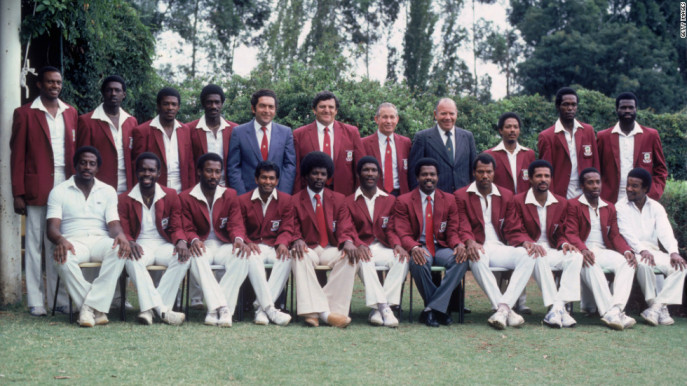
The rise of West Indies cricket in the 1970s was a sporting revolution. Under Clive Lloyd’s captaincy, the team forged a new identity: fast, fearless, and unapologetically Caribbean.

Their blueprint was simple yet devastating — bowl fast, hit hard, and never back down. Michael Holding, Andy Roberts, Joel Garner, and Malcolm Marshall formed a pace attack so intimidating that opposing batsmen often spoke of dread before the first ball was bowled. At the other end, Viv Richards swaggered to the crease, Gordon Greenidge and Desmond Haynes laid ironclad foundations, and Lloyd himself provided leadership and firepower in the middle order.

This combination produced a dynasty. Between 1982 and 1995, the West Indies went unbeaten in 29 Test series — a record that still stands. In ODIs, they lifted the first two Cricket World Cups in 1975 and 1979, cementing their place as global giants.


Cultural Impact: More Than Just a Game

Victories on the field translated into unity across the Caribbean. For nations emerging from colonialism, every win carried deeper meaning: it was the islands against the world. Their style of play — fearless, flamboyant, joyful — wasn’t just cricket; it was identity.

Around the globe, fans tuned in not just to watch a team win, but to witness a spectacle. The West Indies became cricket’s entertainers and enforcers rolled into one, redefining the sport’s rhythm and appeal.


Pillars of Excellence: The Icons Who Defined an Era

The Terrors of Pace

  • Andy Roberts: The pioneer of aggression, showing what West Indian quicks could become.
  • Michael Holding (“Whispering Death”): Effortless stride, searing pace, pure elegance.
  • Joel Garner (“Big Joel”): At 6’8”, his yorkers were nearly unplayable.
  • Malcolm Marshall: A master craftsman, widely hailed as the finest fast bowler of them all.
  • Courtney Walsh: Relentless and consistent, one of the great survivors.
  • Curtly Ambrose: Towering, ruthless, and capable of destroying batting orders in a single spell.

The Master Batsmen

  • Viv Richards: The “Master Blaster,” fearless and dominant, redefining batting swagger.
  • Clive Lloyd: The captain who led with vision and middle-order firepower.
  • Gordon Greenidge & Desmond Haynes: The opening duo who gave solidity and aggression in equal measure.
  • Brian Lara: A modern genius, holder of cricket’s highest individual Test score (400*), whose artistry kept the Caribbean flame alive long after the golden age.

The All-rounders and Spinners

  • Sir Garfield Sobers: Often called the greatest cricketer ever — able to bat like a king, bowl pace or spin, and field like no other.
  • Lance Gibbs: The off-spinner who added guile to West Indies’ firepower.

These legends didn’t just play cricket — they set standards the world still measures against.


The Fall: Modern Challenges and Shifting Fortunes

When the golden era faded, cracks began to show. Several factors fueled the decline:

  • Player exodus to T20 leagues: The lure of global franchise cricket often outweighs national duty, weakening Test and ODI squads.
  • Administrative struggles: Governance issues within Cricket West Indies (CWI) have hampered development and planning.
  • Broken pathways: Grassroots and youth systems failed to consistently produce players ready for the highest level.

The result? Once feared in Tests, the West Indies slipped to mid-table mediocrity. In ODIs, inconsistency became the norm.

Yet, in the T20 format, Caribbean flair found a new home. West Indies became the first team to win two T20 World Cups (2012 and 2016), reminding the world of their natural power. But even this success raised questions: was cricket becoming entertainment over discipline?


The Road to Revival

Despite setbacks, hope burns bright. Efforts are underway to reclaim glory:

  • Grassroots Development: Regional academies, stronger school competitions, and structured coaching are nurturing talent from the ground up.
  • Player Welfare & Management: Recognizing the mental and physical demands of the modern game, new systems aim to keep players motivated and available.
  • Fan & Diaspora Engagement: The Caribbean diaspora worldwide remains passionate. Strengthening these bonds could boost both finances and morale.

The building blocks are being laid. Stars like Shai Hope, Nicholas Pooran, and Jason Holder represent a generation determined to carry the legacy forward.


Conclusion: Spirit Unbroken

West Indies cricket is more than a memory of dominance; it’s a living, breathing spirit. From Sobers to Lara, from Holding’s thunderbolts to Richards’ swagger, the Caribbean has given the game its soul.

The golden era may be gone, but the dream of revival is alive. With investment, unity, and belief, the West Indies can rise again. For cricket fans everywhere, that’s a future worth hoping for — because when the men in maroon are at their best, the game itself feels richer.

The heartbeat of Caribbean cricket still pounds. The world is waiting for its next great chapter.

Leave a Reply Cancel reply

Your email address will not be published. Required fields are marked *

September 1, 2025
Harold Gittens

Blogging all things cricket!

Harold Gittens

The West Indian Rebels of 1983: How Apartheid’s Shadow Shaped Their Cricketing Fates

Posted on August 31, 2025September 13, 2025 by Harold Gittens

In the summer of 1983, shockwaves rippled through the Caribbean and beyond. A group of West Indian cricketers — some household names, others fringe hopefuls — boarded planes to Johannesburg. Their destination was not another Test tour of England or Australia, but South Africa: a nation locked under the iron grip of apartheid, isolated from the sporting world by near-universal boycott.

The news struck like betrayal. The Caribbean, then riding high on West Indies’ dominance of world cricket, reacted with fury. The West Indies Cricket Board (WICB) moved swiftly, banning the players for life. Fans who once roared for Lawrence Rowe’s elegance or Colin Croft’s thunderbolts now spat words like “traitor.” Anti-apartheid groups condemned them outright. What had driven these men to risk everything? The answer lay in a complicated mix of money, opportunity, and disillusionment.


The Lure of the Rand: Money, Cricket, and Controversy

For most of the rebels, the decision was brutally simple: money. South African promoters dangled contracts worth $100,000–$120,000 USD, a fortune compared to what West Indian cricketers earned then. International cricket in the 1980s paid little, and even stars often struggled to secure their futures. A few weeks in South Africa promised financial security that the maroon cap could not.

There was also the promise of cricket itself. South Africa, though segregated and internationally banned, still boasted world-class facilities and a hunger for top-level competition. For fringe players overlooked at home, the rebel tour offered a rare chance to test themselves in an elite environment.

But the political stakes could not be ignored. By agreeing to tour, the rebels not only defied the boycott — they appeared to lend legitimacy to a regime built on racial oppression.


The Political Firestorm

The response was immediate and unforgiving.

  • The WICB: Permanent bans, effectively exiling the rebels from ever wearing West Indies colors again. Careers that could have lasted years were cut short in a single announcement.
  • The ICC and other nations: Support for the sanctions, ensuring no backdoor return. English counties, once a lifeline for many West Indian professionals, closed their doors as well.
  • Public opinion: The harshest judge of all. Across the Caribbean, the players were branded mercenaries, accused of betraying not just their fans but the global fight against apartheid.

The label “rebel” stuck — and it carried a stain no amount of runs or wickets could wash away.


The Men Behind the Decision

The two tours (1982–83 and 1983–84) included 19 players, ranging from established internationals to near-unknowns:

  • Big names: Lawrence Rowe, Alvin Kallicharran, Colin Croft, Sylvester Clarke.
  • Promising talents: Franklyn Stephenson, Ezra Moseley, Collis King.
  • Journeymen and fringe players: Herbert Chang, David Murray, Emmerson Trotman, Everton Mattis, Albert Padmore, and others.

For fans, seeing stars like Rowe and Kallicharran — once the pride of West Indies batting — walk away was devastating. Their involvement gave the tour a legitimacy that cut deeper than if it had been filled only with fringe hopefuls.


Fallout: Careers Halted, Futures Lost

The impact was brutal and lasting.

  • International exile: None of the rebels played for the West Indies again. Careers that might have added depth to the all-conquering 1980s side instead ended in silence.
  • Lost county contracts: For many, England’s county circuit had been both livelihood and training ground. After the ban, counties refused to touch them.
  • Public shame: At home, the players carried the stigma of betrayal. Fans turned their backs, communities shunned them, and the rebel label followed them into retirement.

Some lives unraveled tragically. Richard Austin, once a gifted all-rounder, fell into addiction and homelessness. Others, like Sylvester Clarke, were remembered more for what might have been than for what they achieved.


The “What Ifs” of West Indies Cricket

The rebel bans robbed the Caribbean of immense talent. Imagine if Sylvester Clarke had joined Holding, Garner, and Marshall in the Test side. What if Franklyn Stephenson, later a legend in county cricket, had been unleashed as a West Indies all-rounder? Could Rowe, Croft, and Kallicharran have extended the dynasty even further?

Instead, the 1980s West Indies juggernaut marched on without them — dominant still, but forever missing those pieces.


Aftermath and Legacy

Over time, some fences were mended. A handful of bans were lifted quietly. Ezra Moseley even returned to play for the West Indies in the 1990s. Yet for most, reconciliation came too late to matter. The stigma lingered, shutting them out of coaching, commentary, and cricketing administration.

Today, history views the rebel tours with complexity. There is greater understanding of the players’ financial struggles — how poorly they were treated by boards compared to modern stars earning millions in IPL and T20 leagues. Yet condemnation remains. The tours are remembered less for cricket and more as a cautionary tale of sport entangled with politics.


Conclusion: A Heavy Price for a Controversial Choice

The 1983 rebel tours stand as one of the most painful chapters in West Indies cricket. For the players, the lure of quick riches turned into a lifetime of regret and exclusion. For the Caribbean, it was a wound that cut across sport, politics, and identity.

In the end, the rebels’ story is not just about cricket. It is about how athletes navigate impossible choices when the game they love collides with the world’s harshest realities. The lesson still echoes today: in sport, as in life, every decision carries a cost — and some costs last a lifetime.

Leave a Reply Cancel reply

Your email address will not be published. Required fields are marked *

  • Previous
  • 1
  • 2
  • 3
  • 4
  • Next

Hey! I'm Harold G

Harold M Gittens

My Voice in the Game We Love

I am a Sales Executive and Life Coach by profession, but at heart, I have always been a student and admirer of cricket. This game has given us unforgettable memories, uniting people across cultures, generations, and nations. Over the years, cricket has evolved—new formats have emerged, new heroes have risen—but at its core, it remains the game we love.

Through this platform, I want to add my voice to the conversation. Beyond scores and statistics, cricket is about stories, lessons, and the emotions it stirs in all of us. Here, I invite you to join me for meaningful discussions—about the sport’s past, present, and future. Together, we can celebrate the legends, debate the changes, and reflect on what cricket truly means to us as fans and as people.

Because cricket is not just a game. It’s a mirror of life itself—discipline, resilience, passion, and joy all rolled into one.

Coming Soon-Life Coaching & Stress Management

Motivational Quotes

"They may forget what you said buy they will never forget how you made them feel."

"Trust takes years to build, seconds to break and years to repair."

"The only person you should try to be better than is the person you were yesterday."

Recent Posts

  • Has the Present Brazil World Cup Team Lost the Flair of Past Teams
  • The Oldest Players at FIFA World Cup 2026
  • What West Indies Have Done Well So Far in the T20 World Cup and What will Keep the Momentum Going.
  • T20 World Cup 2026: Five Strategies that Can Help West Indies Win the Present T20 World Cup
  • Where Is the Plan? The Missing Ingredient in West Indies Cricket

The Third Umpire

The Oldest Players at FIFA World Cup 2026

The oldest players at the 2026 FIFA World Cup include several legendary veterans who are still representing their countries on the biggest stage. FIFA confirmed that Scotland goalkeeper Craig Gordon […]

Online Courses & Training

Teach English Online and around the Globe- World TESOL Academy

World TESOL Academy – Accredited TESOL/TEFL Certificate
IAP Career College
Affordable Online Certificate Courses at IAP Career College

TheTEFL Institute -Teach Online -TEFL Courses and Jobs

Amazon Deals

Amazon Echo Studio (newest model), compact design, immersive spatial audio and Dolby Atmos, Designed for Alexa+, Glacier White
PURE CHAMP Mens 3 Pack Fleece Active Athletic Workout Jogger Sweatpants for Men with Zipper Pocket and Drawstring - Size S-3XL

Privacy Policy

  • West Indies, New Zealand meet in Sobers' country to celebrate him
  • Garry Sobers dies, aged 89
  • Greaves and King return for final two ODIs against New Zealand
  • Lennox stars again as New Zealand take series lead after West Indies collapse
  • New Zealand bowl; West Indies bring in Shimron Hetmyer after long layoff

Menu

  • Get Started Here
  • Join the Conversation
    • About
    • THINGS I LOVE TO DO
    • Did You Know
  • Third Umpire Blog
  • Our Services
    • Life Coaching & Stress Management
    • Get In Touch With Us
  • Shop Best Sellers
  • World Cup Football Facts
Copyright ©2025 The Third Umpire. All Rights Reserved.