The Third Umpire

Where Caribbean Cricket Meets Global Conversation.

Menu
  • Get Started Here
  • Join the Conversation
    • About
    • THINGS I LOVE TO DO
    • Did You Know
  • Third Umpire Blog
  • Our Services
    • Life Coaching & Stress Management
    • Get In Touch With Us
  • Shop Best Sellers
  • World Cup Football Facts
Menu

Tag: cricket

🏏The Top 10 Highest Individual Scores in First-Class Cricket

Posted on September 24, 2025March 24, 2026 by Harold Gittens

Cricket has always celebrated monumental batting feats, but nothing captures the imagination quite like a truly mammoth innings. Scoring a century is an achievement in itself, but these legends went far beyond, rewriting the record books with innings that stretched into the 400s and 500s. Many of the players on this list may be unknown to many of us but the list highlights the genius of Brian Lara to make it to the top. Let’s look at the top ten highest individual scores in first-class cricket—a list that showcases sheer skill, stamina, and history-making brilliance.


🏏 Top 10 Highest Individual Scores in First-Class Cricket

RankPlayerRunsTeam / OpponentYear
1Brian Lara501*Warwickshire v Durham1994
2Hanif Mohammad499Karachi v Bahawalpur1959
3Don Bradman452*New South Wales v Queensland1930
4B.B. Nimbalkar443*Maharashtra v Kathiawar1948
5Bill Ponsford437Victoria v Queensland1927
6Bill Ponsford429Victoria v Tasmania1923
7Aftab Baloch428Sind v Baluchistan1974
8K.S. Ranjitsinhji421Sussex v Somerset1899
9Graeme Hick405*Worcestershire v Somerset1988
10W.G. Grace400*Gloucestershire v Somerset1876

You Should Purchase this Iphone!

🌟 A Few Highlights

  • Brian Lara’s 501* remains untouchable three decades later, scored in just 427 balls with 62 fours and 10 sixes.
  • Hanif Mohammad’s 499 was heartbreakingly close to 500, but he was run out going for his 500th run.
  • Don Bradman’s 452* at the age of just 22 confirmed his genius and remains Australia’s highest first-class score.
  • W.G. Grace’s 400*, way back in 1876, was the first quadruple century in cricket history—a feat that set the tone for the generations that followed.
  • Bill Ponsford is the only man to appear twice in this elite list, with two scores of 400-plus for Victoria in the 1920s.

💡 Did You Know?

  • Brian Lara’s 501* came just a few weeks after he broke the world Test record with 375. Talk about being in form!
  • Hanif Mohammad batted for over 16 hours for his 499—one of the longest innings in cricket history.
  • Bradman’s 452* was scored in only 415 minutes—he barely wasted a delivery.
  • B.B. Nimbalkar’s 443* is still the highest score in Indian domestic cricket, and he was left stranded when the opposition conceded the match.
  • Bill Ponsford’s 437 was made on the famously flat Melbourne Cricket Ground pitch, where Victoria piled up a record 1107 runs.
  • Aftab Baloch was just 20 years old when he scored his 428—Pakistan never gave him a long run in Tests despite that knock.
  • K.S. Ranjitsinhji’s 421 was full of his trademark leg glances, a shot he is credited with perfecting.
  • Graeme Hick’s 405* made him the youngest triple-centurion in county cricket at the time.
  • W.G. Grace’s 400* in 1876 was revolutionary; before him, no one imagined such scores were even possible.

📖 Final Word

These innings are more than just numbers; they are stories of concentration, stamina, and dominance. To bat for hours (sometimes days), weather bowlers, and carry your team to a position of strength requires not just skill but incredible mental strength.

Every name here carved a legacy, ensuring their innings would be remembered as long as cricket is played.
Leave a Reply Cancel reply

Your email address will not be published. Required fields are marked *


Keep Updated Subscribe to Our Blog

Don't Want to Miss an Article Subscribe to Stay Updated.

Subscribe to Keep Updated
Loading...

🎨Signature Strokes of West Indian Cricketers

Posted on September 13, 2025September 14, 2025 by Harold Gittens

The artistry of West Indies cricket is not only about power and dominance but also about the sheer elegance of stroke play. Some strokes became trademarks of Caribbean legends. Here’s a look at the West Indian masters of the hook, the late cut, and the square cut.


🔥 The Hook Shot Masters

Few cricketers played the hook with as much swagger as the West Indians. Facing the world’s fastest bowlers, they turned a defensive shot into an attacking weapon.

  • Sir Vivian Richards – Ferocious and fearless, hooked with dominance and authority.
  • Gordon Greenidge – Loved the short ball, hammered hooks with commanding presence.
  • Brian Lara – Elegant and wristy, guided the hook with precision and flair.
  • Clive Lloyd – Towering figure who unleashed the hook with sheer brute force.

🎯 The Late Cut Specialists

The late cut is about touch, timing, and finesse — areas where several Caribbean batsmen excelled.

  • Rohan Kanhai – Inventive and wristy, perfected the delicate late cut.
  • Alvin Kallicharran – Brilliant manipulator of pace and spin, late cut was his signature.
  • Shivnarine Chanderpaul – Patient and gritty, guided bowlers to third man with control.
  • Ramnaresh Sarwan – Elegant stroke-maker, used the late cut effectively in Tests.

⚡ The Square Cut Kings

Explosive, precise, and often unstoppable — the square cut has long been a West Indian favorite.

  • Brian Lara – Trademark shot, executed with lightning-quick hands.
  • Sir Garfield Sobers – Combined power and grace in the square cut.
  • Desmond Haynes – Compact, authoritative, punished anything short and wide.
  • George Headley (“The Black Bradman”) – Legendary pre-war master of the square cut.

🌴 Final Word

From Richards’ ferocious hook to Kanhai’s delicate late cut and Lara’s electrifying square cut, these strokes define the artistry of West Indian batting. They symbolize not just runs, but the flair and swagger of Caribbean cricket.

Leave a Reply Cancel reply

Your email address will not be published. Required fields are marked *

Subscribe to Our Blog

Dont Miss an Article

Subscribe

🏏The Caribbean Islands Ranked by Their Greatest Test Players

Posted on September 12, 2025September 22, 2025 by Harold Gittens

🥇 1. Barbados – The Cricketing Powerhouse

Barbados has produced the largest number of world-class Test cricketers, covering every era of West Indies cricket.
Legends from Barbados:

  • Sir Garfield Sobers – the greatest allrounder of all time
  • Sir Frank Worrell, Sir Clyde Walcott, Sir Everton Weekes (The Three Ws)
  • Malcolm Marshall – fearsome fast bowler
  • Joel Garner – “The Big Bird”
  • Gordon Greenidge & Desmond Haynes – iconic opening pair
  • Wes Hall, Charlie Griffith, Kemar Roach

Barbados is unmatched in depth and consistency.


🥈 2. Jamaica – Land of the Black Bradman and Fast Men

Jamaica has given the world some of the most elegant batsmen and quickest bowlers.
Legends from Jamaica:

  • George Headley – “The Black Bradman”
  • Michael Holding – “Whispering Death”
  • Courtney Walsh – record-breaking fast bowler
  • Chris Gayle – explosive Test and T20 opener
  • Lawrence Rowe – stylish but unfulfilled talent

Jamaica is second only to Barbados in terms of impact.


🥉 3. Trinidad & Tobago – Batting Flair and Spin Craft

Trinidad has a rich legacy of elegant stroke-makers and tricky spinners.
Legends from T&T:

  • Brian Lara – world record holder (375 & 400*)
  • Sonny Ramadhin – spin pioneer
  • Ian Bishop – strike fast bowler of the 1990s
  • Deryck Murray – reliable wicketkeeper
  • Darren Bravo – stylish modern batsman

Lara alone puts T&T in the top three.


🏅 4. Guyana – Home of Elegant Stroke-Makers

Guyana has produced some of the most stylish and dependable batsmen in West Indies history.
Legends from Guyana:

  • Clive Lloyd – captain of the invincible 1970s/80s side
  • Rohan Kanhai – innovative batsman, Lara’s idol
  • Alvin Kallicharran – classy left-hander
  • Shivnarine Chanderpaul – 11,000+ Test runs
  • Lance Gibbs – legendary off-spinner

Guyana’s influence on batting and leadership is enormous.


🏅 5. Antigua & Barbuda – Small Island, Big Impact

Despite its small size, Antigua has punched far above its weight.
Legends from Antigua:

  • Sir Vivian Richards – the most dominant batsman of his era
  • Sir Andy Roberts – master of fast bowling variations
  • Curtly Ambrose – one of the greatest fast bowlers ever
  • Richie Richardson – stylish stroke-player and captain

Few islands can match Antigua’s pound-for-pound impact.


🏅 6. St. Lucia, St. Vincent, Dominica, Grenada (Windward Islands)

Though smaller in number, these islands have produced gems.

  • Darren Sammy (St. Lucia) – inspirational captain in T20s
  • Winston Davis (St. Vincent) – ODI hat-trick man
  • Shane Shillingford (Dominica) – spinner
  • Junior Murray (Grenada) – wicketkeeper

Their Test legacy is smaller but still valuable.


🏆 Final Ranking

  1. Barbados – The most consistent and deepest pool of legends
  2. Jamaica – The Black Bradman + elite fast bowlers
  3. Trinidad & Tobago – Brian Lara and spin pioneers
  4. Guyana – Clive Lloyd, Chanderpaul, and stylish batsmen
  5. Antigua & Barbuda – Viv Richards, Ambrose, and Roberts
  6. Windward Islands (St. Lucia, St. Vincent, etc.) – fewer, but notable contributors.

Leave a Reply Cancel reply

Your email address will not be published. Required fields are marked *

Keep Updated Subscribe to Our Blog

Don't Want to Miss an Article Subscribe to Stay Updated.

Subscribe to Keep Updated
Loading...

🏏Left-Handed Opening Batsmen in the Caribbean: Are They More Impactful Than the Right-Handed Openers?

Posted on September 9, 2025September 26, 2025 by Harold Gittens

In cricket, the battle between left-handers and right-handers has always fascinated fans. The Caribbean has produced a proud legacy of openers who set the tone for some of the most dominant West Indies sides in history. But here’s the question: have the left-handed openers been more impactful than their right-handed counterparts?

The Caribbean has seen a string of left-handed openers who combined flair with firepower. Roy Fredericks was the fearless trendsetter of the 1970s, famously smashing a century against Dennis Lillee and Jeff Thomson at Brisbane. Decades later, Chris Gayle carried the torch with his explosive batting—three triple centuries in Tests, two T20 World Cup titles, and a reputation as the “Universe Boss.”


The Case for the Left-Handers

More recently, Evin Lewis has taken the mantle, blasting bowling attacks in T20 cricket with his six-hitting ability. Left-handers often bring a natural elegance and the ability to disrupt bowlers’ rhythm. Their impact has been undeniable in modern white-ball formats, where power and angles matter more than ever.


The Case for the Right-Handers

While left-handers grab the headlines, the backbone of West Indies opening partnerships has often been right-handers. Think of Desmond Haynes—rock solid, technically sound, and the perfect foil for Gordon Greenidge. Or Adrian Griffith and Sherwin Campbell, who offered grit in tougher eras.

Right-handers have historically provided stability at the top, wearing down new-ball attacks and giving flair players the platform to dominate. Haynes and Greenidge alone formed one of the most successful opening partnerships in Test history, proving that consistency sometimes matters more than flair.


Impact Beyond Numbers

Left-handers may seem more impactful because their style is often more eye-catching: flamboyant cuts, booming drives, and fearless sixes. But right-handers have arguably been more consistent over time, ensuring the West Indies had solid starts in both Tests and ODIs.

Perhaps the true magic lay in the combination—a left-right mix that unsettled bowlers and gave the team balance. Greenidge (right) and Haynes (right) were exceptions as two righties, but when paired with left-handers like Fredericks or Gayle in later eras, the Caribbean often found the perfect blend of steadiness and aggression.


So, Who’s More Impactful?

If we judge by spectacle and global impact, left-handers like Gayle and Fredericks shine brightest. But if we measure by longevity and success as partnerships, the right-handers—especially Haynes and Greenidge—have the stronger case.

The truth? Caribbean cricket needed both: the left-handers to dazzle and disrupt, the right-handers to anchor and accumulate. Together, they wrote some of the greatest chapters in West Indies cricket history.

Leave a Reply Cancel reply

Your email address will not be published. Required fields are marked *

Keep Updated Subscribe to Our Blog

Don't Want to Miss an Article Subscribe to Stay Updated.

Subscribe to Keep Updated
Loading...
Read More

🏏Unsung Heroes of Caribbean Cricket – Part 2

Posted on September 9, 2025February 7, 2026 by Harold Gittens

The West Indies cricket legacy isn’t built only on the famous names like Sobers, Richards, Lara, and Holding. Behind the legends stand dozens of cricketers who carried the flag with quiet dignity, giving their all even if history books rarely mention them. In this second edition of Unsung Heroes of Caribbean Cricket, we spotlight a handful of players who deserve their share of recognition.


Richard Gabriel

A right-handed batsman from Trinidad & Tobago, Richard Gabriel’s international career was brief—he played two Tests in 1984. Yet, his selection came at a time when West Indies cricket was packed with batting giants, which shows just how much talent he possessed. Gabriel was also known as a steady performer in regional cricket, always ready to anchor an innings.


Leonard Baichan

The stylish Guyanese left-hander Leonard Baichan made his Test debut in 1975 against Pakistan and scored a patient 105 not out. Despite that brilliant start, he never cemented his place in a batting order crowded with world-class names. His grit and elegance made him a local hero, even if he remains one of the “forgotten centurions” of West Indies cricket.


Basil Williams

From Jamaica came Basil Williams, a gutsy opener who played in the late 1970s and early 80s. He is remembered for scoring a century on Test debut against Australia in 1978—a rare achievement. Williams was also a fighter during the Packer era, holding his own against top-class attacks when the West Indies needed stability.


Clayton Lambert

Clayton Lambert’s story spans both ends of a career—he represented the West Indies in the 1990s, then later Guyana again in the 2000s, even making a comeback at 42 to play for the United States. Known for his aggressive left-handed batting, Lambert was a fearless stroke-maker who never shied away from taking on the best bowlers.


Faoud Bacchus

Another Guyanese talent, Faoud Bacchus, is remembered for his elegant batting and his ability to grind out long innings. His finest hour came against India in 1979, when he scored a memorable 250 in Delhi. Though his Test career was short, Bacchus showed glimpses of class that could have flourished in a different era.


Stuart Williams

Stuart Williams of St. Kitts was a loyal servant to West Indies cricket during the 1990s and early 2000s. Though he never became a superstar, he was a dependable top-order batsman who often weathered the storm against tough new-ball attacks. His 128 against Zimbabwe in 1997 remains a standout innings.


Geoffrey Greenidge

Geoffrey Greenidge of Barbados had a short Test career in the early 1970s, playing five matches. A technically sound opener, he was seen as a bright prospect, but his international journey ended early due to political controversy after he played in South Africa during the apartheid era. Despite this, he remained a respected figure in regional cricket circles.


Continue reading “🏏Unsung Heroes of Caribbean Cricket – Part 2”

🏏 Unsung Heroes of Caribbean Cricket – Part 1

Posted on September 7, 2025February 8, 2026 by Harold Gittens

The Pioneers of the Smaller Islands

When we celebrate the glorious history of West Indies cricket, names like Richards, Lloyd, Holding, and Lara often dominate the conversation. But beneath the surface of the maroon legacy lies another group of men—players from the smaller islands—who carried their communities’ pride and ambition into regional and international cricket. They may not have become global superstars, but their courage and performances opened doors for generations to come.

In this first chapter of our series Unsung Heroes of Caribbean Cricket, we spotlight three trailblazers: Elquemedo Willett, Lockhart Sebastien, and Derek Parry.


🌟 Elquemedo Willett – The Trailblazer from Nevis

In 1973, history was made when Elquemedo Willett became the first cricketer from the Leeward Islands to play Test cricket. A left-arm spinner from Nevis, Willett debuted against Australia and instantly turned into a symbol of possibility for young cricketers across the smaller islands.

Though his Test career spanned just 5 matches, Willett’s influence stretched far beyond the scorecard. His success inspired selectors to look to the Leewards, paving the way for giants like Viv Richards, Richie Richardson, Curtly Ambrose, and Keith Arthurton. Today, Nevis proudly honors him with the Elquemedo Willett Park—a lasting tribute to the man who proved the small islands could shine on the world stage.


🌴 Lockhart Sebastien – Dominica’s Steady Opener

From Dominica came Lockhart Sebastien, a right-handed opening batsman whose hallmark was patience and discipline. Representing the Windward Islands and Combined Islands, Sebastien carried the fight against regional powerhouses like Barbados and Jamaica. His highest first-class score of 219 showed his skill and determination.

Though Test recognition never came, Sebastien became a pillar of Windwards cricket. His impact grew even stronger off the field: he later served as a team manager, selector, and sports officer, dedicating his life to the game. Sebastien’s story is one of commitment—proof that influence isn’t measured only in centuries or wickets, but in service and leadership.

🌟Norbert Philip – Dominica -Windward Islands & WI Trailblazer

Norbert Phillip (born 12 June 1948) is a former West Indies cricketer and bowling all-rounder. He played nine Tests and one One Day International between 1978 and 1979, during the World Series Cricket era, when several senior players were unavailable.

Domestically, Phillip represented the Combined Islands in 31 first-class matches, taking 106 wickets, the second-highest tally for the team behind Andy Roberts. His best season came in 1977–78, when he took 21 wickets at 17.71 and scored 230 runs at 76.66, earning international selection. He later captained the Windward Islands in 1983.

Phillip enjoyed a successful county career with Essex from 1978 to 1985, playing 144 first-class matches. He took 71 wickets in his debut season and scored his only first-class century—134 against Gloucestershire. He was part of Essex sides that won the County Championship in 1979, 1983, and 1984, and famously took 6 for 4 when Surrey were bowled out for 14 in 1983.

Internationally, Phillip made his Test debut against Australia in 1978 and toured India in 1978–79, taking 19 wickets in six Tests. His best Test figures came in the Fourth Test, with 4/48 and 7/85.


🌀 Derek Parry – Off-Spin from the Leewards

Joining Willett in the early 1970s was Derek Parry, an off-spinner from St. Kitts. He played two Test matches in 1973 against Australia, during a time when the West Indies were still experimenting with spin options. While his international career was short, Parry was a mainstay in regional cricket for the Leeward and Combined Islands, offering control and guidance to younger players.

Parry’s contribution was not about headlines, but about presence. For every youngster in the Leewards who dreamed of Test cricket, his selection meant hope.

🌴Irvine Shillingford- A Combine Islands Stalwart

Irvine Shillingford (born 21 April 1944) is a former West Indies cricketer who represented the region during the late 1960s and early 1970s. A technically correct opening batsman, he played six Test matches for the West Indies between 1969 and 1971.

Shillingford was a mainstay of the Combined Islands, for whom he played over 40 first-class matches, scoring more than 2,000 runs and establishing himself as one of the team’s most reliable top-order batsmen. His consistency at regional level earned him international selection, particularly during a period of transition in West Indies batting.

In Test cricket, Shillingford is best remembered for his solid technique and temperament at the top of the order. His finest performance came against India in 1971, when he scored 100 at Port of Spain, becoming one of the few Combined Islands players of the era to score a Test century.

Although his international career was brief, Shillingford remains an important figure in Leeward Islands and Combined Islands cricket history, respected for paving the way for future generations of island-based cricketers.


🌊 Legacy of the Pioneers

Willett, Sebastien, Philip, Shillingford and Parry may not have filled the record books with milestones, but their true value lies in their symbolism. They carried the banner of the smaller islands, showing that the cricketing talent of the Caribbean was not confined to Barbados, Jamaica, or Trinidad. Their efforts helped convince the cricketing world that the Leewards and Windwards deserved recognition.

Every time a player from Nevis, Dominica, St. Kitts, or Grenada pulls on the maroon cap, they walk in the footsteps of these pioneers. The legacy of Willett, Sebastien, and Parry lives on—not as forgotten names, but as unsung heroes who lit the path for others to follow.


👉 Coming up in Part 2: Forgotten Batsmen Who Shone Briefly, we’ll revisit players like Leonard Baichan, Basil Williams, and Clayton Lambert, who grabbed the spotlight but never stayed in it for long.

Leave a Reply Cancel reply

Your email address will not be published. Required fields are marked *

🌍Caribbean Cricket: More Than a Game – It’s a Celebration

Posted on September 5, 2025February 25, 2026 by Harold Gittens

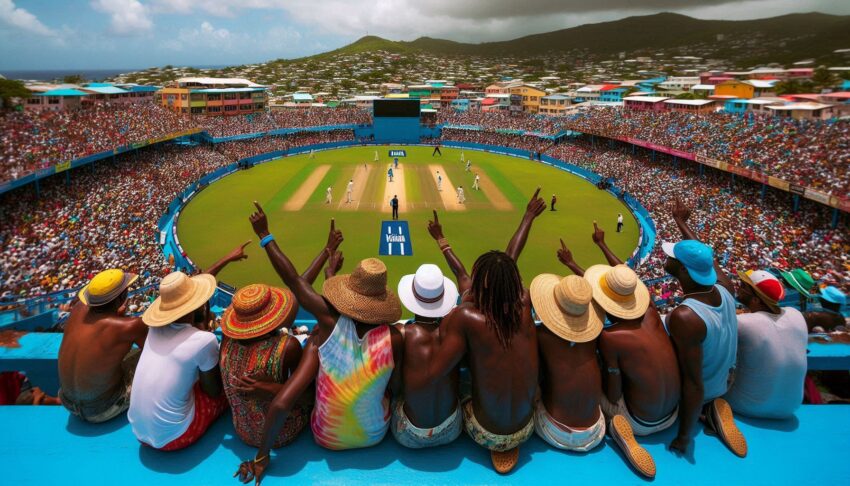
When most people think of cricket, they picture quiet concentration, tense strategy, and long hours on the pitch. But in the Caribbean, cricket is anything but ordinary. It’s a vibrant celebration of sport, culture, and community, blending athletic skill with music, color, and a unique sense of joy.


Calypso Cricket: Cricket with Flair

Caribbean cricket is often called “Calypso Cricket”—a term that perfectly captures the style, rhythm, and flair of the players. From the effortless elegance of a masterful cover drive to the sheer power of a booming six, West Indian cricketers have long combined skill with entertainment. Fast bowlers bring thunder to the pitch, batsmen play with artistry, and fielders dazzle with acrobatic catches. This isn’t just cricket—it’s a performance, a display of personality and passion.


The Beaches: A Stunning Backdrop

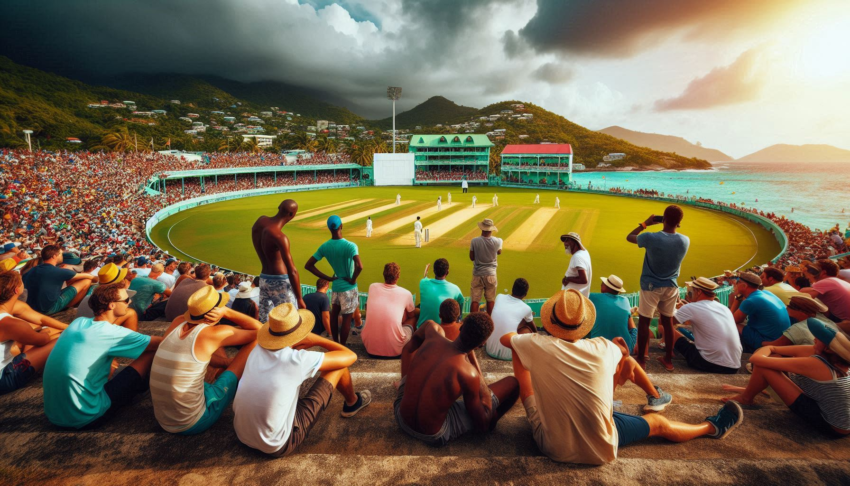
Few places in the world can claim cricket grounds with such breathtaking scenery. Matches often take place near sun-kissed beaches, with the turquoise waters and golden sands providing a postcard-perfect backdrop. Whether it’s a casual local game or a high-stakes international match, the natural beauty of the Caribbean makes cricket here a feast for both the eyes and the spirit.


The Party Atmosphere

Cricket in the Caribbean is not just about the action on the pitch—it’s a festival. Fans bring music, dancing, and a carnival-like energy to the stands. Steel drums, soca, reggae, and calypso music pulse through the stadiums, turning every game into a lively, joyous experience. Even during tense matches, there’s laughter, singing, and celebration—a reminder that cricket here is as much about culture as it is about competition.


The Fans: Heart and Soul of the Game

The West Indies’ fans are passionate, knowledgeable, and full of character. They live and breathe cricket, and their energy is contagious. Whether cheering for a hometown hero or a national star, they turn every match into a communal celebration, showing how deeply cricket is woven into the Caribbean identity. The connection between players and fans is personal and intense—one reason why visiting a Caribbean cricket ground feels unlike any other sporting experience.


Why Caribbean Cricket Stands Out

It’s the blend of athleticism, artistry, culture, and celebration that makes Caribbean cricket truly unique. Here, the game is alive with music, color, and community spirit. It’s not just a match—it’s a festival that brings together history, identity, and joy, making it a sporting experience that leaves a lasting impression on anyone lucky enough to witness it.


Caribbean cricket isn’t just about who wins or loses—it’s about living the game, celebrating culture, and feeling the pulse of the islands with every ball bowled and every six struck.

Leave a Reply Cancel reply

Your email address will not be published. Required fields are marked *

Keep Updated Subscribe to Our Blog

Don't Want to Miss an Article Subscribe to Stay Updated.

Subscribe to Keep Updated
Loading...

West Indies Cricket: A Legacy of Power, Passion, and the Road to Revival

Posted on September 1, 2025February 19, 2026 by Harold Gittens

The mere mention of West Indies cricket conjures images of fearless fast bowlers steaming in under the Caribbean sun, flamboyant batsmen carving boundaries with swagger, and a dominance that shook the cricketing world. From the golden era of the 1970s and 80s, when they were virtually unbeatable, to the challenges of the modern landscape, West Indies cricket remains one of the sport’s most captivating stories.

But this is more than just cricket. For the Caribbean, it is a cultural phenomenon that unites a diverse region, instills pride, and inspires generations. To understand today’s struggles and hopes, we must revisit the power of its legacy — and the road to revival.


The Golden Era: Fear, Flair, and Total Dominance

The rise of West Indies cricket in the 1970s was a sporting revolution. Under Clive Lloyd’s captaincy, the team forged a new identity: fast, fearless, and unapologetically Caribbean.

Their blueprint was simple yet devastating — bowl fast, hit hard, and never back down. Michael Holding, Andy Roberts, Joel Garner, and Malcolm Marshall formed a pace attack so intimidating that opposing batsmen often spoke of dread before the first ball was bowled. At the other end, Viv Richards swaggered to the crease, Gordon Greenidge and Desmond Haynes laid ironclad foundations, and Lloyd himself provided leadership and firepower in the middle order.

This combination produced a dynasty. Between 1982 and 1995, the West Indies went unbeaten in 29 Test series — a record that still stands. In ODIs, they lifted the first two Cricket World Cups in 1975 and 1979, cementing their place as global giants.


Cultural Impact: More Than Just a Game

Victories on the field translated into unity across the Caribbean. For nations emerging from colonialism, every win carried deeper meaning: it was the islands against the world. Their style of play — fearless, flamboyant, joyful — wasn’t just cricket; it was identity.

Around the globe, fans tuned in not just to watch a team win, but to witness a spectacle. The West Indies became cricket’s entertainers and enforcers rolled into one, redefining the sport’s rhythm and appeal.


Pillars of Excellence: The Icons Who Defined an Era

The Terrors of Pace

  • Andy Roberts: The pioneer of aggression, showing what West Indian quicks could become.
  • Michael Holding (“Whispering Death”): Effortless stride, searing pace, pure elegance.
  • Joel Garner (“Big Joel”): At 6’8”, his yorkers were nearly unplayable.
  • Malcolm Marshall: A master craftsman, widely hailed as the finest fast bowler of them all.
  • Courtney Walsh: Relentless and consistent, one of the great survivors.
  • Curtly Ambrose: Towering, ruthless, and capable of destroying batting orders in a single spell.

The Master Batsmen

  • Viv Richards: The “Master Blaster,” fearless and dominant, redefining batting swagger.
  • Clive Lloyd: The captain who led with vision and middle-order firepower.
  • Gordon Greenidge & Desmond Haynes: The opening duo who gave solidity and aggression in equal measure.
  • Brian Lara: A modern genius, holder of cricket’s highest individual Test score (400*), whose artistry kept the Caribbean flame alive long after the golden age.

The All-rounders and Spinners

  • Sir Garfield Sobers: Often called the greatest cricketer ever — able to bat like a king, bowl pace or spin, and field like no other.
  • Lance Gibbs: The off-spinner who added guile to West Indies’ firepower.

These legends didn’t just play cricket — they set standards the world still measures against.


The Fall: Modern Challenges and Shifting Fortunes

When the golden era faded, cracks began to show. Several factors fueled the decline:

  • Player exodus to T20 leagues: The lure of global franchise cricket often outweighs national duty, weakening Test and ODI squads.
  • Administrative struggles: Governance issues within Cricket West Indies (CWI) have hampered development and planning.
  • Broken pathways: Grassroots and youth systems failed to consistently produce players ready for the highest level.

The result? Once feared in Tests, the West Indies slipped to mid-table mediocrity. In ODIs, inconsistency became the norm.

Yet, in the T20 format, Caribbean flair found a new home. West Indies became the first team to win two T20 World Cups (2012 and 2016), reminding the world of their natural power. But even this success raised questions: was cricket becoming entertainment over discipline?


The Road to Revival

Despite setbacks, hope burns bright. Efforts are underway to reclaim glory:

  • Grassroots Development: Regional academies, stronger school competitions, and structured coaching are nurturing talent from the ground up.
  • Player Welfare & Management: Recognizing the mental and physical demands of the modern game, new systems aim to keep players motivated and available.
  • Fan & Diaspora Engagement: The Caribbean diaspora worldwide remains passionate. Strengthening these bonds could boost both finances and morale.

The building blocks are being laid. Stars like Shai Hope, Nicholas Pooran, and Jason Holder represent a generation determined to carry the legacy forward.


Conclusion: Spirit Unbroken

West Indies cricket is more than a memory of dominance; it’s a living, breathing spirit. From Sobers to Lara, from Holding’s thunderbolts to Richards’ swagger, the Caribbean has given the game its soul.

The golden era may be gone, but the dream of revival is alive. With investment, unity, and belief, the West Indies can rise again. For cricket fans everywhere, that’s a future worth hoping for — because when the men in maroon are at their best, the game itself feels richer.

The heartbeat of Caribbean cricket still pounds. The world is waiting for its next great chapter.

Leave a Reply Cancel reply

Your email address will not be published. Required fields are marked *

September 1, 2025
Harold Gittens

Blogging all things cricket!

Harold Gittens

The Greatest West Indies Cricket All-Rounders: A Definitive Ranking

Posted on August 30, 2025September 7, 2025 by Harold Gittens

Cricket’s all-rounder brings a special kind of magic to the field. These rare talents shine with both bat and ball, often changing a game’s direction with a single stroke or a wicked delivery. The West Indies, known for its fierce cricketing history, has given the world many such incredible players.

This article digs deep into the careers of the most impactful and celebrated all-rounders from the West Indies. We will look at their amazing skills with the bat, their clever bowling, and their overall influence on the sport. Ranking these legends is tough, but we will explore what made each one truly great.

The Golden Era Architects: Foundation of West Indies Dominance

Sir Garfield Sobers: The Undisputed King

Sir Garfield Sobers stands as the ultimate benchmark for cricket all-rounders, not just for the West Indies but globally. His name is spoken with reverence, a true master of the game. People often wonder if we will ever see someone as good again.

Batting Prowess and Style

Sobers’ batting was simply amazing, mixing elegance with raw power. He boasts an average over 57 in Test cricket, a clear sign of his consistent run-scoring. He could handle any bowling attack, making even the best bowlers look ordinary. His world-record 365 not out in 1958 showed his massive ability to dominate.

Bowling Versatility and Impact

What really set Sobers apart was his incredible bowling range. He could bowl left-arm fast-medium, then switch to left-arm orthodox spin, and even left-arm wrist-spin. This variety confused batsmen and got him many wickets across all cricket formats. His ability to adapt made him a captain’s dream.

Fielding Excellence and Captaincy

Sobers was also a brilliant fielder, quick and athletic, taking spectacular catches. He often led his team from the front, showing great leadership qualities. His presence on the field lifted the spirits of his teammates. He inspired everyone around him during the West Indies’ golden age.

Clive Lloyd: The Leader with the Bat and Ball

Clive Lloyd was more than just a player; he was the architect behind the West Indies’ dominant teams. He built a squad that struck fear into opponents, leading them to historic victories. His contributions with both bat and ball were key to this success.

Leading from the Front with the Bat

Lloyd’s batting was often crucial, especially when the team needed it most. He anchored the middle order, scoring big runs in high-pressure games. His powerful strokeplay and calm demeanor helped the West Indies set daunting totals or chase down tough targets. Who can forget his century in the 1975 World Cup final?

Impactful Medium-Pace Bowling

Many remember Lloyd for his captaincy and batting, but his medium-pace bowling was surprisingly effective. He often provided a useful option, breaking partnerships when needed. His ability to deliver tight overs and snag key wickets added another layer to his all-round game. He always gave his all for the team.

Inspirational Captaincy and Team Building

Lloyd’s leadership transformed West Indies cricket. He created a winning culture, pushing his players to be the best in the world. His tactical brilliance and ability to unite a diverse group of players made them unbeatable. He truly built a cricketing dynasty.

Post-Golden Era Giants: Continuing the Legacy

Richie Richardson: The Stylish Strokeplay and Reliable Medium Pace

Richie Richardson was a bridge between eras, carrying the torch with grace and skill. He stood out for his elegant batting and surprising effectiveness with the ball. His leadership helped the team navigate changing times.

Elegant Batting and Anchor Role

Richardson’s batting was a joy to watch, full of flowing strokes and calm precision. He often played the role of an anchor, scoring heavily and consistently for his team. His ability to build long innings was vital in many matches, setting a fine example for others. He made batting look easy.

Underrated Medium-Pace Contributions

While known for his bat, Richardson’s medium-pace bowling was a valuable asset. He chipped in with vital overs, often creating breakthroughs when other bowlers struggled. His wicket tally proves he was more than just a part-time option. He always put the team first.

Leadership and Transition

Richardson also took on the captaincy, guiding the West Indies through a period of change. He led with dignity and courage, helping new players find their feet. His efforts kept the team competitive as the “golden era” slowly faded. He showed true resilience.

Carl Hooper: The Enigmatic Talent

Carl Hooper was a player of immense talent, capable of turning a match on its head. He sometimes showed inconsistency, but his sheer skill was never in doubt. He left a lasting mark with his unique style.

Explosive Batting Potential

Hooper possessed an amazing ability to score runs quickly, often with a flair that thrilled fans. He could hit huge sixes and play match-winning innings when he was in full flow. His batting was a treat, full of power and clean hitting. He certainly knew how to entertain.

Off-Spin Wicket-Taking

As an off-spinner, Hooper was a genuine wicket-taker, especially on pitches that offered some turn. He bowled with great control, often picking up crucial wickets during the middle overs. His bowling added great balance to the West Indies attack. He was a real asset.

Career Longevity and Influence

Hooper had a long and impactful career, playing for the West Indies for many years. He influenced many younger players with his calm approach and natural talent. His presence in the team was always a source of confidence. He truly was a unique player.

The Modern Era All-Rounders: Redefining Versatility

Brian Lara: The Batting Maestro with Bowling Support

Brian Lara is primarily known as one of cricket’s greatest batsmen, a true genius with the willow. Yet, he also contributed to the team with his bowling, adding another dimension to his game. His all-round skills were truly exceptional.

Unmatched Batting Records and Flair

Lara’s batting records speak for themselves, including the highest individual scores in Test and first-class cricket. He played with a captivating flair, hitting boundaries all around the ground. His ability to single-handedly win games was unmatched. He carried the hopes of a nation.

Handy Leg-Spin and Support Bowling

Though not his main skill, Lara could bowl useful leg-spin. He often provided a change of pace, sometimes breaking partnerships when least expected. His clever variations could trouble batsmen, adding a different option to the captain’s plans. He was a versatile player.

Captaincy and Match-Winning Influence

Lara also captained the West Indies, leading with his bat more than anything. His incredible talent inspired his teammates and thrilled fans worldwide. He always played with passion and a desire to win. His impact on the game is simply legendary.

Dwayne Bravo: The T20 Specialist and All-Round Powerhouse

Dwayne Bravo has changed with the times, becoming a dominant force, especially in T20 cricket. His evolution into an all-round powerhouse has seen him excel globally. He truly understands the modern game.

Innovative Batting and Power Hitting

Bravo is known for his explosive batting, particularly in the closing overs of an innings. He uses smart shots and brute force to score quickly. His ability to hit boundaries at will makes him a fearsome opponent. He has revolutionized T20 batting.

Skilled Medium-Fast Bowling and Variations

With the ball, Bravo is a master of variations, using slower balls, yorkers, and cutters. His medium-fast bowling is highly effective in T20 matches, often picking up wickets at key moments. He has a clever cricketing brain.

Fielding Prowess and T20 Captaincy

Bravo is also an outstanding fielder, athletic and quick across the ground. He takes spectacular catches and makes vital run-outs. He has successfully captained many T20 franchise teams, proving his leadership skills. He is a complete package.

Andre Russell: The Unpredictable Game-Changer

Andre Russell is a modern-day phenomenon, known for his sheer power and match-winning antics. He can change the game’s momentum in just a few balls. Few players hit the ball harder than “Dre Russ.”

Devastating Batting and Six-Hitting Ability

Russell’s batting is about raw power and clearing the ropes with ease. He is one of the most feared hitters in T20 cricket, able to score at an incredible rate. When he gets going, few can stop him. He is a nightmare for bowlers.

Express Pace Bowling and Key Wickets

With the ball, Russell bowls with genuine pace, often delivering fast and dangerous spells. He can take crucial wickets, especially in the middle overs, breaking partnerships. His bowling adds aggression and firepower to any team. He makes things happen.

Explosive Fielding and Impact Plays

Russell’s athleticism shines in the field, where he pulls off incredible catches and saves vital runs. He is always involved in the action, creating game-changing moments. His energy inspires his teammates. He is a true superstar.

The Unsung Heroes and Emerging Talents

Emerging All-Rounders to Watch

The West Indies continues its hunt for the next great all-round talent. Younger players are now stepping up, showing promise with both bat and ball. The future looks bright for these developing stars.

Current Prospects and Potential

Look out for players like Jason Holder, who already shows great skill and leadership. Romario Shepherd also brings a mix of pace bowling and powerful hitting. These players work hard to hone their all-round abilities. They could be the next big names.

Conclusion: The Enduring All-Rounder Legacy

West Indies cricket has a legendary history, thanks in large part to its amazing all-rounders. From the unmatched brilliance of Sir Garfield Sobers to the modern power of Andre Russell, these players have always been special. They bring a unique blend of batting, bowling, and fielding skills that define their success.

The appeal of the West Indies all-rounder continues strong. These players not only win games but also inspire future generations with their daring play. Their influence on cricket is deep, reminding us all what makes the sport so exciting. We cannot wait to see who rises next from the Caribbean.

Leave a Reply Cancel reply

Your email address will not be published. Required fields are marked *

The Lure of Money in Shorter Formats: Is It Hurting West Indies Cricket?

Posted on August 29, 2025August 29, 2025 by Harold Gittens
Dynamic scene of a cricket game with players in action outdoors on a lush green field.

The Lure of Money in Shorter Formats: Is It Hurting West Indies Cricket?

Cricket in the Caribbean has always carried a special magic. From the dominance of the 1970s and 80s to the flamboyant flair of more recent times, West Indies cricket has given the world unforgettable moments. Yet in recent years, the regional team has struggled, particularly in Test and ODI formats. One of the most pressing questions is whether the lure of money in shorter forms of the game—especially T20 cricket—is at the heart of the problem.


Franchise Leagues and the Financial Divide

The global boom in T20 cricket has reshaped the economics of the sport. Competitions like the Indian Premier League (IPL), Pakistan Super League (PSL), and even the Caribbean Premier League (CPL) offer players financial rewards far beyond what a central contract from Cricket West Indies (CWI) can provide.

For many Caribbean cricketers, particularly those from smaller islands where opportunities outside cricket are limited, these leagues are not just attractive—they’re life-changing. A single season in a top franchise can eclipse an entire year’s salary playing for the West Indies.


National Duty vs. Personal Gain

This financial reality has led to a recurring dilemma. Top talents such as Chris Gayle, Andre Russell, Sunil Narine, and Kieron Pollard have often prioritized franchise cricket over representing the West Indies, especially in Tests and ODIs. As a result, the regional side has frequently fielded understrength teams, making it difficult to compete consistently on the international stage.


Decline of the Longer Formats

The golden era of West Indies cricket was built on dominance in Test matches. Fast forward to today, and the regional team finds itself near the bottom of the Test and ODI rankings. While governance, funding, and infrastructure challenges play a role, the steady drain of top talent to T20 leagues has undoubtedly weakened the depth and quality of the side.


The Positive Impact of T20

Despite its challenges, T20 cricket has not been all bad for the Caribbean. In fact, it has kept the region’s cricket alive on the global stage. The West Indies won the ICC T20 World Cup in both 2012 and 2016, displaying the same flair and fearlessness that once defined their Test supremacy.

Moreover, franchise cricket has given Caribbean players a platform to shine internationally, inspiring young fans and bringing exposure and income into the region. For many players, T20 cricket is not just about money but also about opportunity and recognition.


Finding the Balance

The real challenge lies not in blaming T20 cricket, but in creating a balance between players’ financial ambitions and the prestige of representing the West Indies. Cricket West Indies must address structural issues—improving contracts, offering flexible scheduling, and rebuilding trust—to ensure that playing for the regional side remains both an honor and a financially viable choice.


Conclusion

Yes, the lure of money in shorter formats has undeniably affected West Indies cricket, particularly in the decline of its Test and ODI performances. However, it has also given players economic freedom and global exposure. The key is balance: finding a way to let players enjoy the rewards of T20 while still safeguarding the legacy of West Indies cricket in all formats.

Until that balance is struck, the regional team risks being seen as a T20 powerhouse but a shadow of its former self in the longer forms of the game. The best West Indies Cricket allrounders of all time.

Leave a Reply Cancel reply

Your email address will not be published. Required fields are marked *

  • 1
  • 2
  • Next

Hey! I'm Harold G

Harold M Gittens

My Voice in the Game We Love

I am a Sales Executive and Life Coach by profession, but at heart, I have always been a student and admirer of cricket. This game has given us unforgettable memories, uniting people across cultures, generations, and nations. Over the years, cricket has evolved—new formats have emerged, new heroes have risen—but at its core, it remains the game we love.

Through this platform, I want to add my voice to the conversation. Beyond scores and statistics, cricket is about stories, lessons, and the emotions it stirs in all of us. Here, I invite you to join me for meaningful discussions—about the sport’s past, present, and future. Together, we can celebrate the legends, debate the changes, and reflect on what cricket truly means to us as fans and as people.

Because cricket is not just a game. It’s a mirror of life itself—discipline, resilience, passion, and joy all rolled into one.

Coming Soon-Life Coaching & Stress Management

Motivational Quotes

"They may forget what you said buy they will never forget how you made them feel."

"Trust takes years to build, seconds to break and years to repair."

"The only person you should try to be better than is the person you were yesterday."

Recent Posts

  • Has the Present Brazil World Cup Team Lost the Flair of Past Teams
  • The Oldest Players at FIFA World Cup 2026
  • What West Indies Have Done Well So Far in the T20 World Cup and What will Keep the Momentum Going.
  • T20 World Cup 2026: Five Strategies that Can Help West Indies Win the Present T20 World Cup
  • Where Is the Plan? The Missing Ingredient in West Indies Cricket

The Third Umpire

The Oldest Players at FIFA World Cup 2026

The oldest players at the 2026 FIFA World Cup include several legendary veterans who are still representing their countries on the biggest stage. FIFA confirmed that Scotland goalkeeper Craig Gordon […]

Online Courses & Training

Teach English Online and around the Globe- World TESOL Academy

World TESOL Academy – Accredited TESOL/TEFL Certificate
IAP Career College
Affordable Online Certificate Courses at IAP Career College

TheTEFL Institute -Teach Online -TEFL Courses and Jobs

Amazon Deals

Amazon Echo Studio (newest model), compact design, immersive spatial audio and Dolby Atmos, Designed for Alexa+, Glacier White
PURE CHAMP Mens 3 Pack Fleece Active Athletic Workout Jogger Sweatpants for Men with Zipper Pocket and Drawstring - Size S-3XL

Privacy Policy

  • West Indies, New Zealand meet in Sobers' country to celebrate him
  • Garry Sobers dies, aged 89
  • Greaves and King return for final two ODIs against New Zealand
  • Lennox stars again as New Zealand take series lead after West Indies collapse
  • New Zealand bowl; West Indies bring in Shimron Hetmyer after long layoff

Menu

  • Get Started Here
  • Join the Conversation
    • About
    • THINGS I LOVE TO DO
    • Did You Know
  • Third Umpire Blog
  • Our Services
    • Life Coaching & Stress Management
    • Get In Touch With Us
  • Shop Best Sellers
  • World Cup Football Facts
Copyright ©2025 The Third Umpire. All Rights Reserved.